

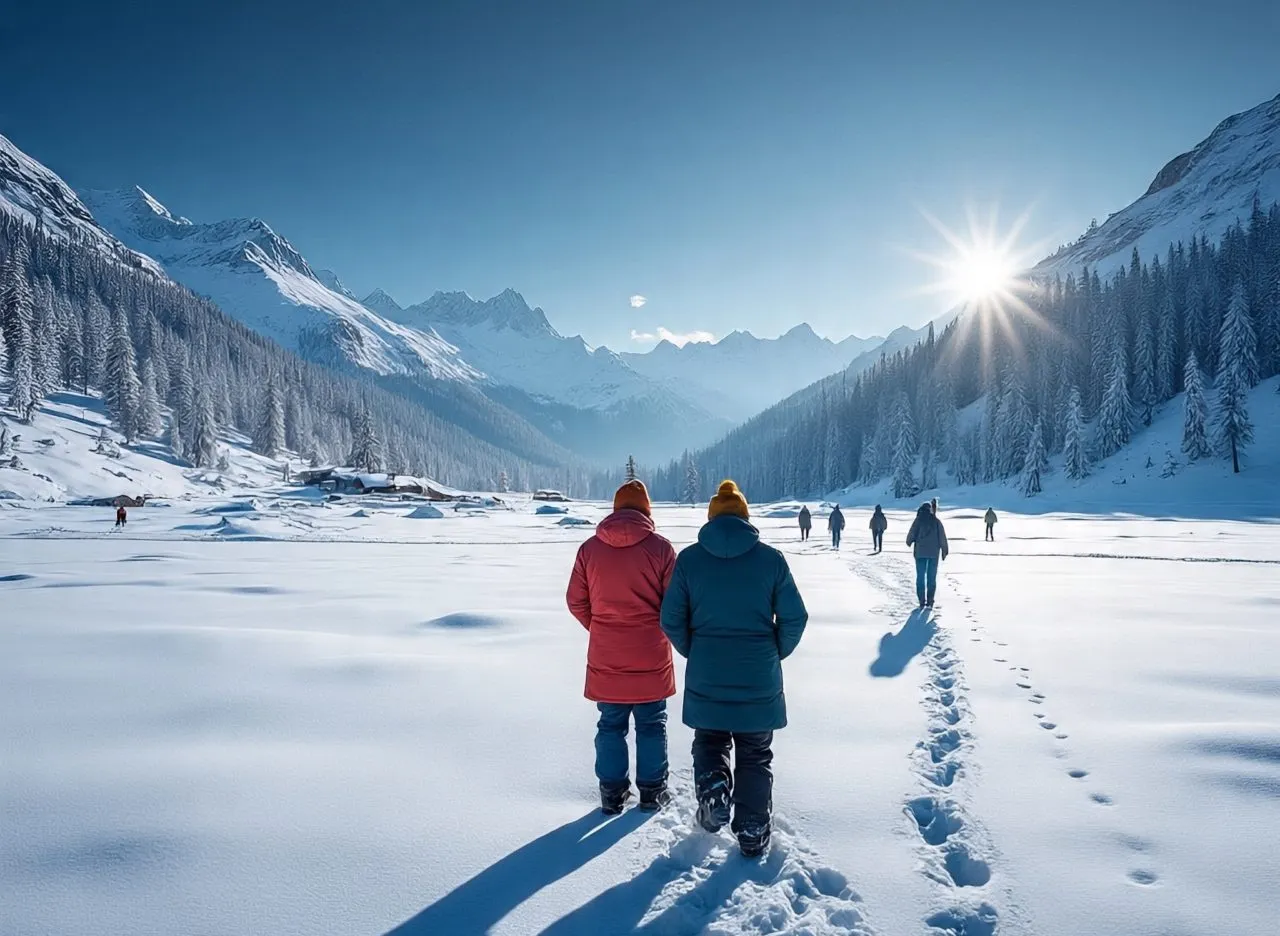






The snowfall on the very first day of Chillai Kalan came as a relief. As snow finally draped Gulmarg, Pahalgam and Sonamarg in white, it ended a prolonged and worrying dry spell.
For weeks, the absence of snow had cast a long shadow. Gulmarg, one of India’s sought-after skiing destination, was desperately waiting for snow to shore up its season, threatening livelihoods tied to winter tourism. Hotel owners, ski instructors, guides, pony-men, gondola operators and small traders all watched the skies with mounting concern. Snow’s arrival on last Sunday, at least for now, eased those fears and set the stage for a festive year-end revival.
Tourism, badly bruised this year after the April terror attack in Pahalgam, needs snow for revival. Christmas and New Year celebrations, winter sports, and the sheer allure of a snow-covered landscape may yet help salvage a difficult season.
But the significance of snowfall extends beyond tourism. For Kashmir’s agrarian economy, snow ensures irrigation. Unlike rain, it replenishes glaciers and groundwater, feeding springs and sustaining rivers that farmers depend on through spring and summer. Apple orchards, saffron fields, and vegetable farms all rely on a healthy snowpack. After an alarming dry spell, snowfall in the higher reaches offers reassurance.
What the Valley now hopes for is snowfall not just in the mountains but also in the plains in the days and weeks ahead. Climate uncertainty has made winters unpredictable, swinging between extended dry periods and occasional precipitation. The current snow spell has broken the grip of the bone-chilling dry cold that had led to the spread of flu and throat infections. However, the Valley remains in the deep embrace of chillai kalan. The night temperatures may have improved temporarily due to snowfall and the consequent cloudy skies but they can plunge again as long as chillai kalan lasts.
Snow is the biggest attraction for tourists in mainland India and also for the skiers. A normal Valley winter with its recurring snowfalls is thus a boon for its economy as it draws high-spending visitors from far and wide. However, for this cold season to be easy on the common man and be more tourist-friendly, the government needs to work on better winter management. Continued investment in infrastructure, proactive planning, and efficient response mechanisms will ensure that winter in the Valley becomes a season of opportunity rather than adversity.