

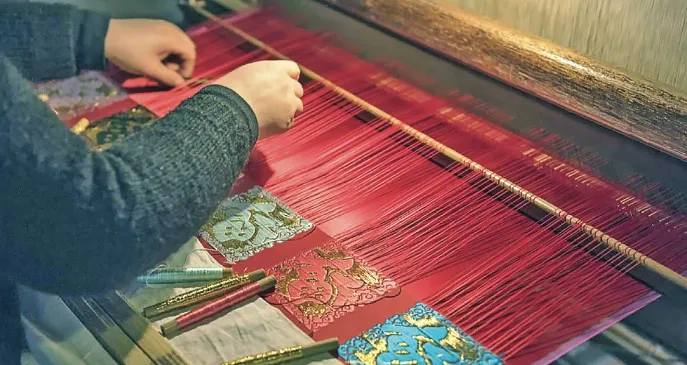






From soft pashmina and lush, hand-knotted carpets to the deep-hued walnut furniture and vibrant papier-mâché, Kashmir is rich in the arts of the hand. While global appreciation for these crafts rises, local consumer demand is at an all-time low. This disparity reflects under-appreciation within Kashmir itself—an attitude that ultimately compromises the quality of products, weakens cultural identity, and leads to adverse economic effects. This article examines the causes of this under-appreciation and its profound consequences.
Familiarity blindness is the inability to recognise the detail, or miss the value, in objects or environments one is very familiar with. When there are hand-knotted carpets in every Kashmiri home and crewel-embroidered curtains in everyone’s bedroom, they can start to feel like part of the ordinary background, rather than cultural works of art. This daily exposure often makes people overlook the time, skill, and precision that goes into handcrafted products. As a result, they start to prefer machine-made, mass-produced versions of them. Some may even disregard their value entirely and opt for more ‘modern’ alternatives. This trend is evident in the adoption of minimalistic architecture in Kashmiri homes. While traditional craftsmanship is considered outdated locally, it continues to draw international acclaim. This is clear in exports that have crossed ₹1,100 crore in 2023–2024, a sharp increase compared to almost ₹900 crore in 2013–2014. Local demand has diminished, creating severe consequences for artisans and the future of Kashmiri handicrafts.
As the global market for these products expands, a decline in an artisan’s earnings may initially seem counterintuitive. However, Kashmiri craftsmen lack direct access to international markets where the value of their craftsmanship is truly recognised. Instead, products reach these markets through a chain of intermediaries, reducing an artisan’s share of the profit to an amount barely enough to eke out a living. According to multiple studies, even skilled artisans, on an average, earn below ₹10,000 per month. This leaves them with two choices: either to accept these unfair wages, or try selling in local markets. In these markets, they need to compete with cheap, mass-produced products. Forced to lower their prices, many resort to using low-grade materials, affecting the quality of the finished product.
The economic struggles of artisans portray Kashmiri craftsmanship as an unstable career for the youth. Moreover, the growing acceptance of machine-made products has caused declines in artisan dignity. These developments are indicators pointing toward the extinction of traditional techniques like Sozni, Kani weaving, and high-knot carpets, which are already endangered. This could ultimately risk erosion of the Kashmiri collective identity.
Traditionally handmade items are more than mere accessories. They carry cultural significance in the pashmina shawls gifted in weddings and passed down as family heirlooms. Ancestral knowledge is preserved in how Sozni techniques and the Kani Talim script are inherited orally through apprenticeship and not documented in books. In the embroidery patterns resides the historical journey of Kashmir and the Mughal, Persian, and local artistic influences. Symbolic meanings of endurance are contained within carved chinar leaves and royal heritage in papier-mâché designs. Like Japan is known by its kimono and China by its silk, Kashmir’s cultural identity lies in the weaves of its shawls and the grooves of its woodwork. Losing these items threatens not only our global identity, but also a tangible expression of who we are.