

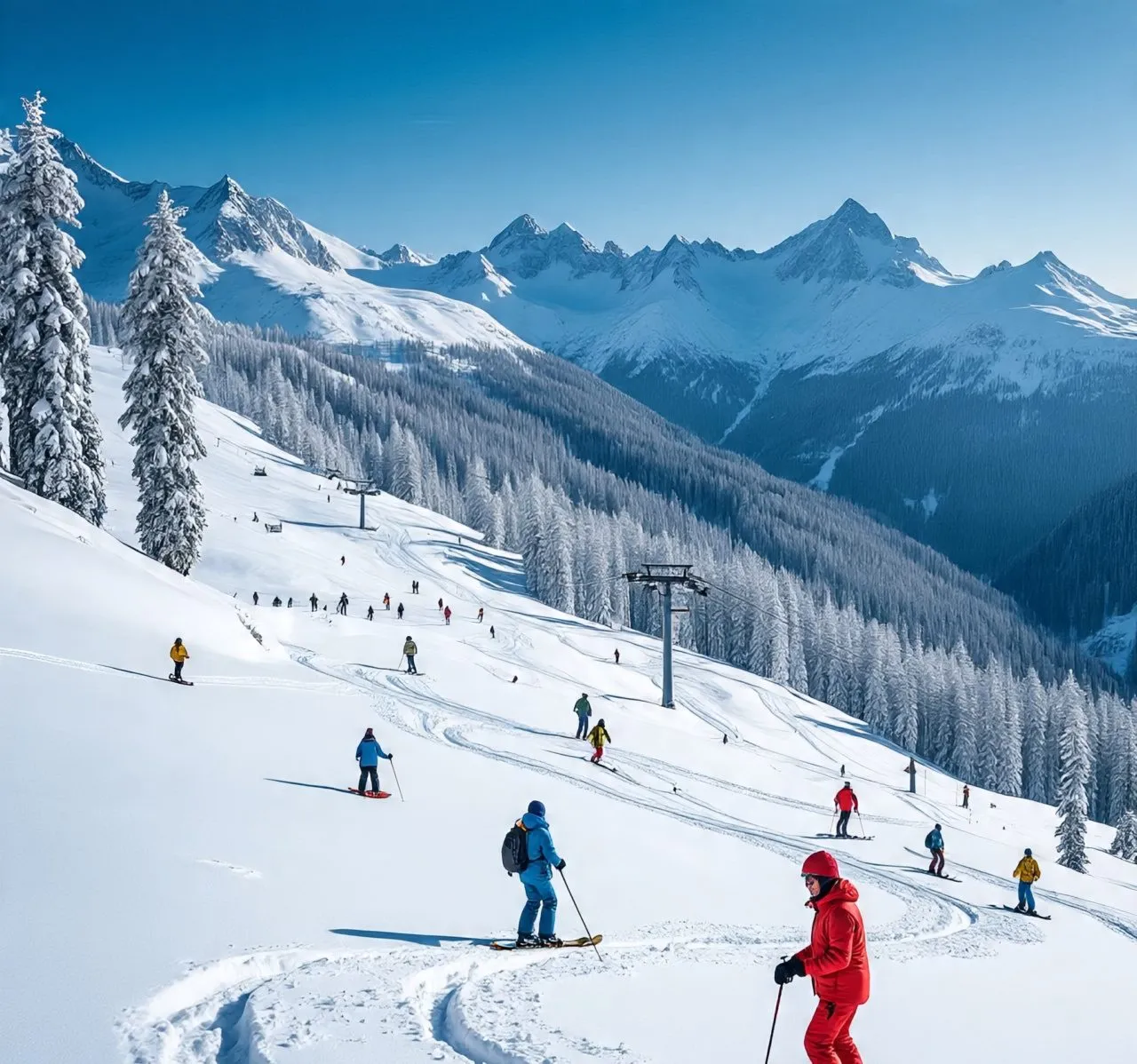






As Chilai Kalan sets in, December 21, 2024, the Kashmir Valley finds itself at a crossroads. While the higher reaches of Gulmarg and Sonamarg are draped in the pristine white that usually signals a windfall for the local economy, the “tourism bloom” remains stunted. The intersection of a lingering dry spell in the plains and a deeply fractured sense of security has turned this winter into a test of resilience rather than a season of celebration.
The primary deterrent to a booming season is not the weather, but the psychological scar left by the Baisaran targeted killings in April 2025. That incident—the deadliest attack on civilians in decades—shifted the militant strategy toward targeting tourists directly, breaking a long-standing unwritten rule of the conflict. The recent “Red Fort event,” involving a Kashmiri group, has further amplified these anxieties, creating a narrative of “returning volatility” just as the winter season began. For a family in Mumbai or a solo traveller in Bangalore, the risk-reward ratio of a Kashmir trip has shifted; the beauty of the snow is now weighed against the haunting images of the Baisaran meadow.
Can tourism be revived this winter?
Revival is possible, but it will be gradual and niche rather than a mass-market “boom.” The influx is currently driven by “snow-chasers”—die-hard winter sports enthusiasts and adventure travellers who are less deterred by security optics than the casual family tourist.
To turn this trickle back into a flow, the following measures are essential to my mind;
Visible but Non-Intrusive Security: The “Operation Sindoor” and the subsequent strengthening of the security grid must be felt without making the Valley look like a war zone. Smart surveillance and “Area Domination” in tourist circuits like the Tangmarg-Gulmarg stretch are vital.
Shifting the marketing focus from “Security” to “Culture.” Events like Pheran Day and food festivals highlighting winter delicacies (Harissa) help humanize the destination and remind travellers of the warmth of Kashmiri hospitality.
With hotel occupancy struggling, the government and private stakeholders must offer aggressive “Peace Dividends”—discounts on houseboats and ski packages—to lower the barrier to entry for hesitant travellers. Counter-Narratives from “Ground Truth”: Utilizing real-time testimonials from tourists currently in Gulmarg. When a traveller sees a peer enjoying the Gondola ride or a sunset at Dal Lake on social media, it carries more weight than any government advisory.
The path forward:
The arrival of snow is a gift from nature, but the arrival of guests is an act of trust. For Kashmir to reclaim its status as a winter wonderland, the administration must bridge the gap between perceived threat and ground reality. Tourism in the Valley has always been a barometer of peace; this winter, its revival depends on proving that the “White Beauty” of Chilai Kalan is stronger than the shadows of the past year.
Prof Upendra Kaul, Founder Director, Gauri Kaul Foundation