

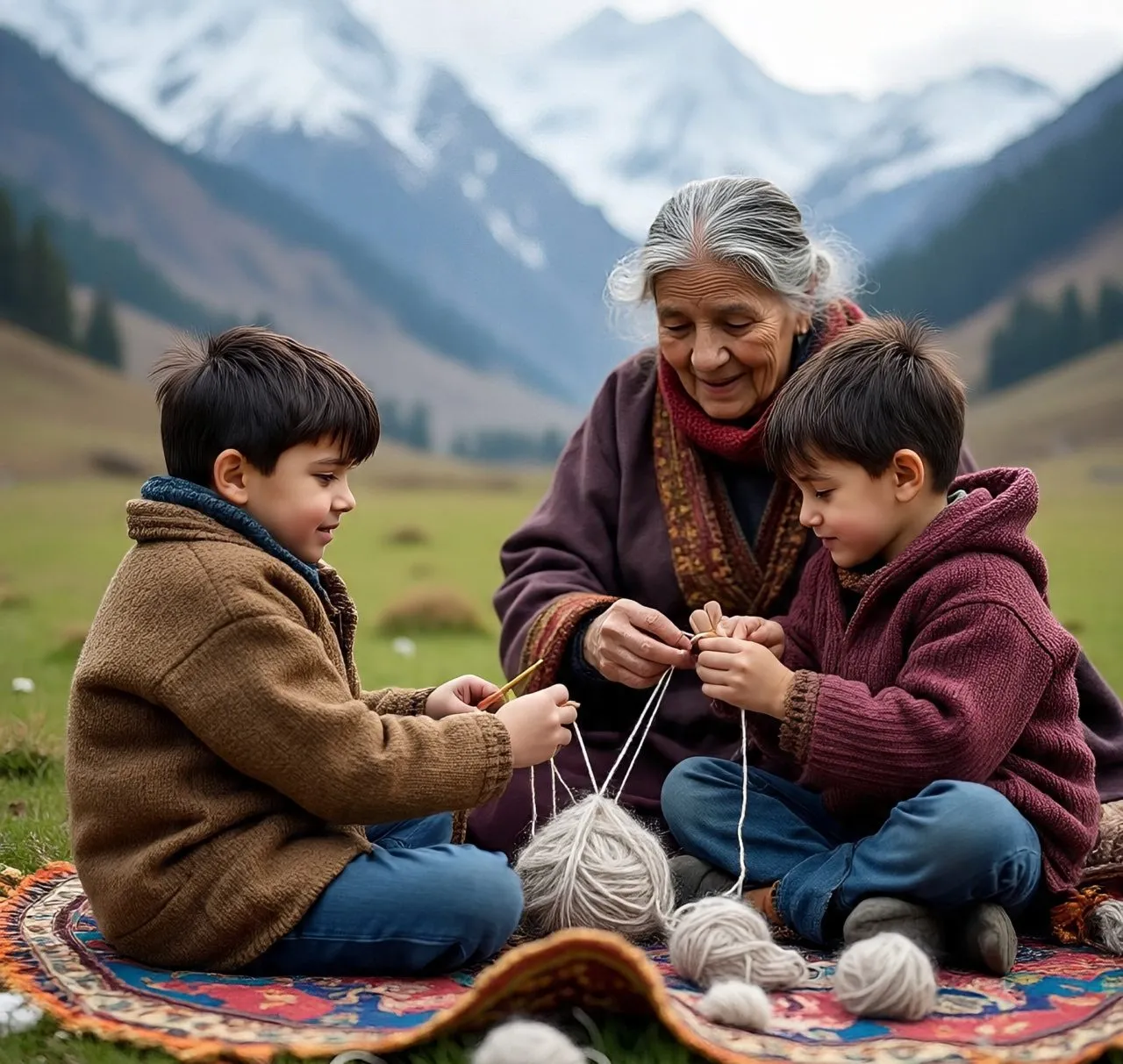






I have often written in these columns about my maternal grandmother, the late Zooni Begum—affectionately known to us as Zoon Ded. While I previously profiled her character in a piece titled “An Elderly Role Model,” today I wish to shine a light on her home. It was a haven of laughter, refuge, wisdom, and calm. In an era where everyone is exhausted by the pursuit of material gain, such idyllic sanctuaries are increasingly rare. It was not a palatial house, yet Zoon Ded ruled it like a queen, filling it with a remarkable charm and tranquility blessed by kindness and brotherhood.
I never met my grandfather; my mother told me he passed before I was born. Consequently, my childhood was spent in the close proximity of my grandmother—a combination of warmth, wisdom, and love. I am often reminded of the calm atmosphere that surrounded her home. Such simple lives and caring matriarchs are a rarity today. Though specific memories have faded with time, the mere mention of my grandmother’s house floods me with sights, smells, and sounds that modern society is totally devoid of.
Her house was more than just a physical space; it was an edifice of heritage and a testament to the enduring power of love. It was a reminder of where my heart will forever reside. This house often witnessed a battalion of children from extended families. During Eid, the rush would not decline for days. The house functioned like an institution, teeming with relatives—especially children visiting their Matamaal (grandma’s house). It was undoubtedly a place where everyone lived happily, ate contentedly, and slept soundly. It was a house of tranquility where nobody ever remained hungry, providing shelter not just to descendants, but to outsiders as well. Not a single day went by without a guest arriving at her door.
Unlike today, there were no AI-powered security systems or gates screening guests before entry. It was a simple, beautiful refuge without concrete boundary walls. It was maintained in such a way that any neighbor could walk in, sit for a while, stir up a conversation, or seek advice. Nowadays, Musafir (travelers or beggars) are rarely spotted in villages. But in those days, many would visit, and none would leave that house empty-handed.
I vividly remember one chilly morning when a beggar knocked at our door and called out, “Kahndaro, Khudaye Saendes Nawus Paeth Ditu Musafirus Kehncha” (“O! Owner, give this beggar something for God’s sake”). As soon as my grandmother heard him, she instantly brought him inside. Beyond giving him a bowl of rice, she offered him a Kangri for warmth and served him a cup of Nun Chai. She taught us that day that whatever we give returns to us in multiples. “A beggar is an emissary from God,” she told us. We were taught never to rebuke them. Even with limited resources, nobody left Zoon Ded’s house empty.
Today, however, let alone beggars, even guests rarely visit us. Her home was a platform where values like humility, community, and care were instilled in the children.
I witnessed village women deep in discussion with my grandmother umpteen times. Elderly neighbors would often stay for lunch; such was the affection of that era. Presently, we live in palatial mansions with high walls. But alas, in this so-called luxurious living, our neighbors do not dare ring our doorbell. We are proud to be wealthy; yet, we have degraded morally to the point that even relatives think twice before visiting us.
Literally, there is no calmness found in the mansions we have so laboriously constructed. The chaos, separation, envy, and loneliness that surround us now are the results of our own deeds. In our multi-story houses, only two or three rooms are occupied while the rest remain vacant. Around 90% of the items we amass are useless, yet we continue hoarding, thinking it brings peace. We lack peace because we have thrown values like integrity and loyalty to the backyard, falling into the quagmire of social evils like rivalry and malice. In my grandmother’s time, people possessed deep sympathy, divine charm, and patience embedded in their simple lives.
As I reflect on my grandma’s legacy, honestly, I see that brotherhood and wisdom have faded into obscurity. The values that once defined us are lost. We have confined ourselves within our walls, unbothered by our next-door neighbors. We search for peace in gorgeous houses built on bank loans, but in reality, we are deeply tormented. Sukoon (tranquility) was found in prayers, reciting the holy Quran, and giving Sadqa (alms). We have distanced ourselves from such blessings. How can material attractions provide peace? They rather tempt us further until it is too late to realize what was truly good for us.
My grandmother’s house was more than a physical structure. It was the haven where my roots are linked. It is here I find my sense of belonging, a connection to the past, and the roots that ground me, making me who I am today.
Manzoor Akash is educator, author and regular columnist to GK’s Senior Citizens’ Lounge