

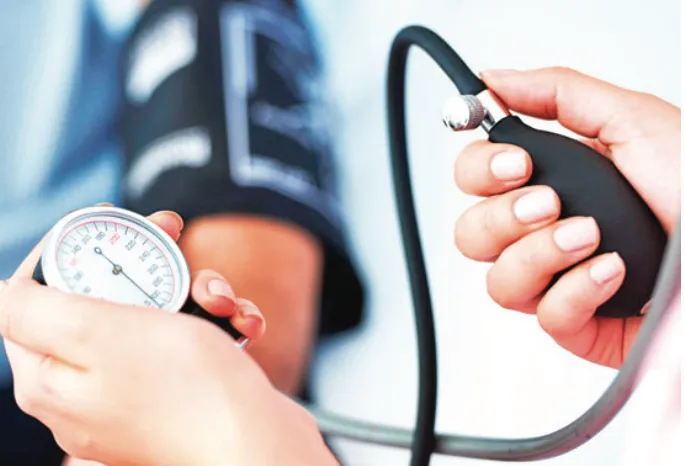






For months, the Moul Mouj Foundation has been travelling across Kashmir, North, South and Central, under its project Elders Deserve Better, holding medical and awareness camps exclusively for senior citizens. We expected to see arthritis, diabetes, cataracts and the usual burdens of aging. What we did not expect was the sheer scale of uncontrolled hypertension silently expanding across the Valley like an invisible epidemic.
In our camps, any reading above 140/90 mmHg was considered uncontrolled. Shockingly, we recorded values as high as 240/140 mmHg, indicating severe and dangerous hypertension.
The numbers were deeply unsettling. In North Kashmir—Kupwara, Bandipora and Baramulla—71% of elderly individuals who already knew they had hypertension were found to have uncontrolled readings. In South Kashmir—Kulgam, Shopian, Anantnag and Pulwama—the figure crossed 75%, a percentage that would alarm any health system. In Central Kashmir—Srinagar, Budgam and Ganderbal—45% of known hypertensive elders remained uncontrolled.
These were not isolated readings or chance fluctuations. They were consistent patterns—persistent, widespread, and medically dangerous.
Uncontrolled hypertension refers to blood pressure that remains above the recommended target levels despite diagnosis, lifestyle advice, or prescribed medications. Clinically, it is defined as: Systolic BP ≥ 140 mmHg and/or Diastolic BP ≥ 90 mmHg (in most adults, including seniors). This means the heart and blood vessels are under persistent excess pressure, placing the individual at significantly higher risk for complications such as stroke, heart attack, kidney damage and vision loss.
Uncontrolled hypertension usually results from: Irregular or missed medication, Inadequate doses or wrong drug combinations, Self-medication or dose alterations, Poor follow-up or monitoring, Lifestyle factors (high salt, inactivity, stress), Limited access to care or medicines
When I shared these findings with our Editor-in-Chief, Fayaz Ahmad Kaloo, he made a pointed observation: “This isn’t just medical data—it’s a societal warning. If so many elders have uncontrolled BP, the story is bigger than health. This demands a feature.”
He was right. It was not simply about numbers. It was about habits, beliefs, fears, economic barriers, geographic limitations and generational attitudes woven together into a public health crisis hiding in plain sight.
So here is the story—told not just through numbers, but through what our elderly themselves shared about why their blood pressure keeps rising.
“My BP is normal now, so I stopped medicines.”
I hear this almost every week. It sounds logical but is deeply flawed.
Hypertension is not fever. You don’t treat it for a few days and expect it to disappear. The BP is normal because the medicines were working. Stopping them simply hands the steering wheel back to the disease. And hypertension drives fast—silently, without warning.
“I take BP medicines only when I have headache or vertigo.”
This is even more dangerous.
Headache is not a reliable marker of high BP. Many strokes happen in people who had no symptoms at all. Waiting for dizziness to “remind you” to take medicine is like waiting for an earthquake to decide whether your roof needs repair.
BP medicines work only when taken consistently. BP becomes uncontrolled not because medicines are weak, but because habits are.
“I don’t want to become dependent on medicines.”
This statement is rooted in fear.
But here is the truth: You don’t become dependent on BP medicines. Your organs become protected by them.
Kidneys, heart, brain, and eyes—all are shielded from damage when BP is controlled. Stopping medicines doesn’t prove independence. It proves risk. We must understand that lifelong diseases need lifelong care—not courage through denial.
“I reduce the dose myself.”
This is a quiet form of self-harm.
Reducing dose is not like reducing salt in food. Medicines are adjusted based on organ condition, age, comorbidities, and response—not mood or assumption. Many elders proudly declare that they “cut tablets into half” or “skip alternate days” because their BP “looked fine last week.”
These shortcuts lead to long-term damage—stroke, heart failure, kidney disease.
Poverty, Distance and the Geography of Neglect
In several remote villages during our camps, elders said something we often overlook:
“Doctor sahib, we cannot afford medicines.”
“There is no place nearby to check BP.”
In some cases, hypertension becomes uncontrolled not because elders are careless, but because they don’t have access. Pharmacy access, digital BP monitoring, or even transportation to a health centre is a challenge in many pockets of the Valley. For pensioners and daily wage families, BP medicines compete with food, heating and survival.
This is where civil society, NGOs and public health must meet halfway.
The Culture of Self-Medication
Another alarming trend:
Elders taking medicines because “my neighbour takes this tablet,” or “my cousin was cured by it,” or “the chemist suggested it.”
Hypertension medicines are not identical, despite looking similar. One tablet may suit one person and harm another. A dose too high can cause fainting; too low can cause silent damage. Self-medication creates a false sense of security and real danger.
“My BP rises when I sit in the hammam.”
This comes up often—especially in winter.
Warm rooms cause blood vessels to dilate, but dehydration, heat stress and sudden standing and going out in the cold can trigger fluctuations. The hammam does not “create hypertension,” but it exposes unstable hypertension, something already uncontrolled but unnoticed.
Symptoms Are Not Always Loud
Uncontrolled BP is not always dramatic. Sometimes it whispers before it strikes.
Possible symptoms:
Occasional headaches
Mild fatigue
Restlessness
Subtle vision changes
Heaviness in head
Nosebleeds
But the frightening truth? Many people feel nothing at all.
And the Complications? They Are Ruthless.
Uncontrolled hypertension quietly destroys the body over years, then announces itself in one catastrophic moment.
Stroke – paralysis, loss of speech
Heart Attack – sudden chest pain or collapse
Heart Failure – swelling, breathlessness
Kidney Failure – dialysis dependence
Blindness – retinal damage
Dementia – reduced blood flow to the brain
These are not rare. These are routine outcomes of unchecked BP.
Why This Crisis Matters
Because hypertension is not a standalone disease. It is a multiplier. It amplifies every other illness. It steals years from life and life from years.
Kashmir’s elders already navigate cold weather, limited mobility, loneliness, and chronic diseases. Hypertension adds a silent burden that they cannot feel, but we can measure—and we must act upon.
Diet and Exercise
In Kashmir, controlling hypertension requires consistent medicines but also strong lifestyle habits. Reduce salt in noon chai, pickles, breads and avoid processed foods; choose more fruits, vegetables, dals and fish; stay hydrated even in winter; avoid long hours in hammams or heated rooms that cause dehydration and fluctuations; walk indoors or during safer daylight hours; maintain a healthy weight; limit wazwan richness, red meat and excess tea; manage stress through prayer, breathing exercises or quiet routines; and ensure regular BP monitoring at nearby health centres. Together, these habits significantly support stable blood pressure in our climate and culture.
What We Must Do Now
Bring BP checks to the doorstep
Provide low-cost or subsidised medicines
Counsel families, not just patients
Stop normalising self-medication
Strengthen follow-ups through community workers
Create awareness that lifelong disease means lifelong treatment
Recognise that BP control is not optional—it is survival
Acknowledgements:
The author gratefully acknowledge the support and cooperation of Dr. Jahangir Bakshi, Director Health Services, Kashmir, and his team; Dr. Anjum Afshan, Epidemiologist at DHSK; the Managing Director and team of GK Labs; GKTV; the Institutional Ethics Committee, Centre for Interdisciplinary Studies on Ageing (CISA); Ummeed Foundation; HELP Foundation; and Chinar International.