

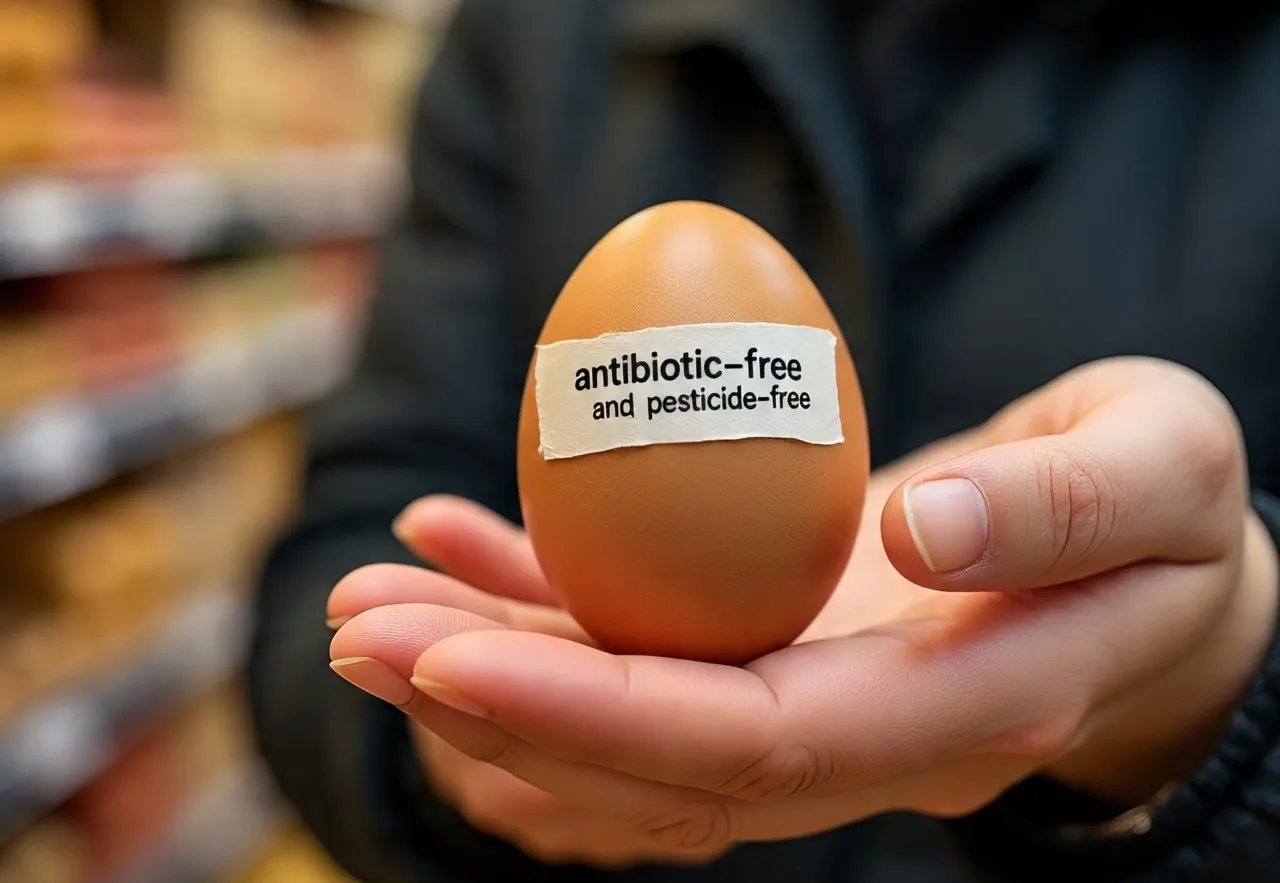






Recently, social media posts claimed that an antibiotic called Nitrofuran was found in the eggs of a particular brand. A laboratory report circulating online indicated a level of just 0.73 micrograms per kilogram, an extremely small amount. Since the company markets its eggs as “antibiotic-free and pesticide-free,” these claims have caused concern and confusion among consumers.
In Kashmir, such reports are sometimes linked to serious illnesses like cancer. While food safety is important, it is misleading to blame a single food item. Cancer is influenced by multiple factors, including tobacco use, lifestyle, environmental exposure, and delayed diagnosis. Spreading unverified claims about food risks can create unnecessary panic.
Under the Food Safety and Standards Act, 2006, certain veterinary drugs are strictly banned in food-producing animals. These include Nitrofurans, Chloramphenicol, Colistin, Malachite Green, and others. The law also sets strict safety limits, called Extraneous Maximum Residue Limits (EMRLs), and for Nitrofuran, this limit is just 1 microgram per kilogram. Any food exceeding this limit is considered unsafe, and legal action is taken.
Some social media messages suggest that even tiny traces of Nitrofuran can cause cancer. This is misleading. Nitrofurans were banned based on animal studies that used very high doses over long periods. Finding extremely small traces in food does not pose the same risk. In toxicology, harm depends on both the amount consumed and the duration of exposure—not merely the presence of a substance.
Data from the Food Safety and Standards Authority of India (FSSAI) show that most food items meet the prescribed safety standards. When deviations occur, authorities act swiftly, issuing legal notices or prohibitory orders, as has been done by the Food & Drugs Administration, Jammu & Kashmir, in cases involving frozen meat, ghee, and paneer, to protect consumers and prevent panic.
False or incomplete information can also affect farmers and workers. The poultry sector supports many families, and unverified claims can harm livelihoods and undermine trust in safe food systems.
Eggs remain a safe, affordable, and nutritious source of protein, especially for children and low-income families. Avoiding them without scientific reason can negatively affect nutrition.
Following recent viral claims, the Food Safety Department of Jammu and Kashmir, under Ms. Sumita Sethi, JKAS, Commissioner of Food & Drugs Administration, has intensified testing and monitoring. Egg samples from various markets are being analyzed in NABL-accredited laboratories, as per legal requirements.
Food safety works best when decisions are based on science and verified facts. Consumers should rely on credible sources, avoid panic driven by social media, and understand that responsible information protects both public health and those who produce our food.
Zainab Lone, MBBS Final Year GMC Jammu