







In universities and colleges, words carry weight. Titles carry even more weight. They signal learning, responsibility, and position. Yet across Kashmir’s higher education system, there is growing confusion about academic prefixes such as Prof., Dr., Mr., and Ms. What looks like a small issue of naming has slowly turned into a larger problem of clarity, credibility, and academic honesty.
In everyday practice, many teachers with post-graduation and NET/SET qualification are addressed as “Professor.” Sometimes this happens out of courtesy. Sometimes it becomes routine. Over time, the prefix finds its way into seminar banners, invitation cards, social media posts, and even public discussions. This may appear harmless, but academically and officially it is incorrect.
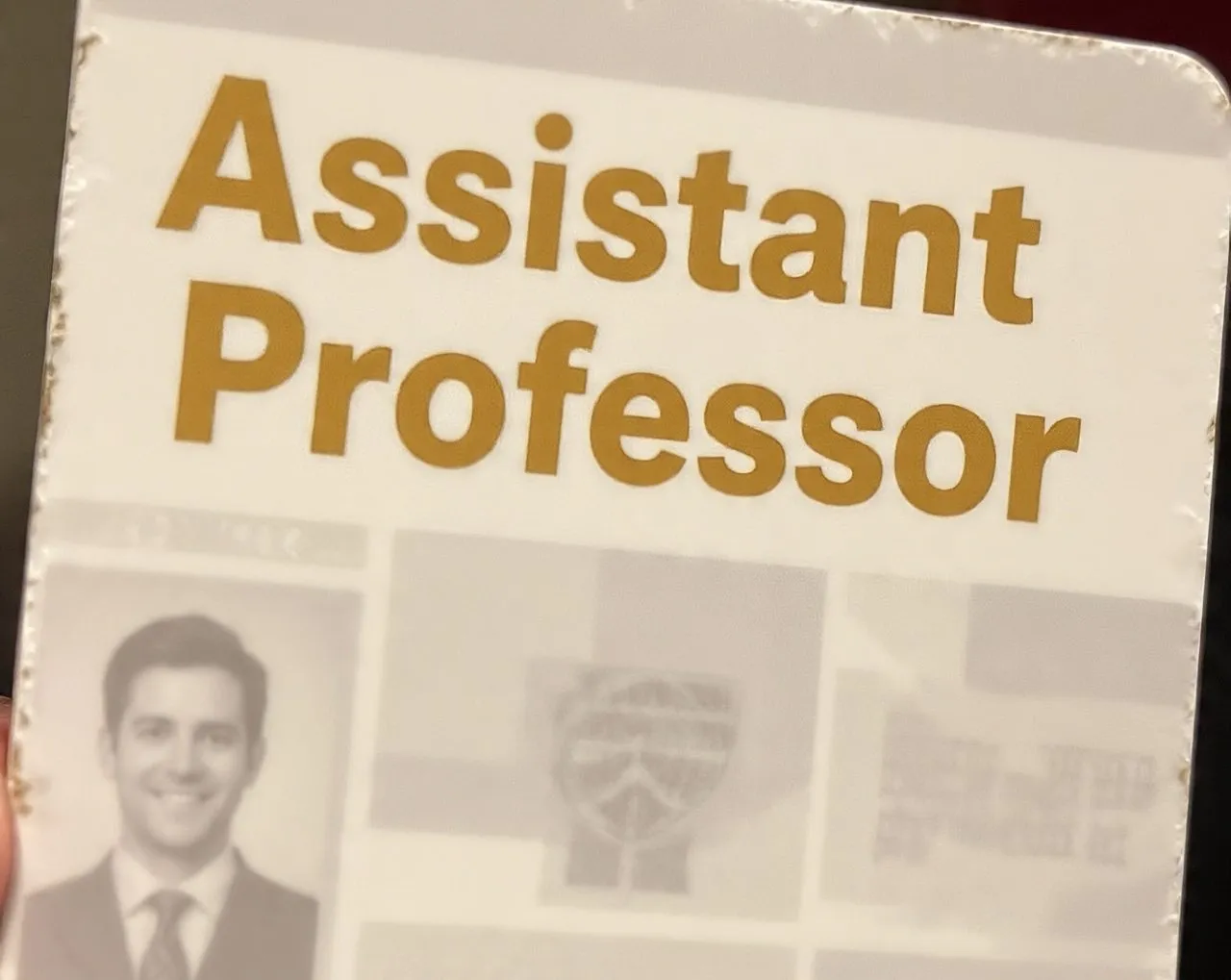
Under India’s higher education rules governed by university grants commission (UGC), which also apply to Jammu and Kashmir, the word “Professor” has a very specific meaning. It is not a general term for a teacher. It is not a reward for experience. It is not a title earned by clearing NET. Professor is an academic rank. A person becomes a Professor only through a formal appointment or promotion approved by a university or the government, following the rules laid down by the UGC. Without such an appointment, the prefix “Prof.” has no official standing.
NET qualification is often misunderstood. NET only makes a candidate eligible to apply for the post of Assistant Professor. It does not confer any rank. Even a PhD, which is a major academic achievement, does not by itself make one a Professor. A person may hold a PhD for many years and still remain an Assistant Professor or Associate Professor. Rank comes through institutional process, not personal achievement alone.
The prefix “Dr.” follows a different logic. It is linked to an earned doctoral degree. Anyone who has completed a recognised PhD has the right to use “Dr.” regardless of whether they are permanent, contractual, or even currently unemployed. Dr. is a personal academic qualification. Professor is an institutional position. Confusing the two collapses the basic structure of academia.
Mr. and Ms. are simple social honorifics. They are respectful and neutral. There is nothing degrading about them. In many well-known universities across the world, teachers without doctoral degrees are addressed as Mr. or Ms. without any sense of insult. Academic dignity does not come from prefixes. It comes from knowledge, teaching, and conduct.
In Kashmir, this confusion is not always driven by bad intention. Much of it grows from habit. Students call all teachers Professor as a sign of respect. Over time, courtesy turns into convention. Convention turns into entitlement. Institutional silence allows this to continue. No clear circulars are issued. No guidance is displayed. In this vacuum, everyone follows what everyone else is doing.
There is also a deeper reality that cannot be ignored. Many teachers in Kashmir work under contractual and uncertain conditions. Promotions are delayed. Career paths are unclear. In such an environment, titles become emotional compensation. Being called Professor feels like recognition in a system that often withholds real recognition. But emotional comfort cannot replace academic accuracy.
This confusion has consequences. Students grow up believing that clearing NET makes one a Professor. They fail to understand the difference between eligibility, qualification, and rank. Genuine Professors, who have reached the position after decades of work, find their role diluted. Institutions lose credibility when titles do not match official records. Academia, which depends on trust, begins to look careless.
This is not a call to police the language in daily conversation. People will continue to speak as they wish. But in official, academic, and public contexts, clarity is essential. Universities and the Directorate of Higher Education in Jammu and Kashmir should issue a simple, written guideline. Not a long regulation. Just a clear statement. Dr. for those with doctoral degrees. Professor only for those formally appointed or promoted to that rank. Others may use Mr. or Ms., as prefix to their name. Clarity is not elitism. It is fairness. Titles should reflect reality, not aspiration. Academia cannot be built on symbolic shortcuts.
Tailpiece
Dr. is earned. Professor is promotion or appointment. Respecting this difference is not pedantry. It is professionalism.
Dr. Ashraf Zainabi is a teacher and researcher based in Gowhar Pora Chadoora Budgam J&K.